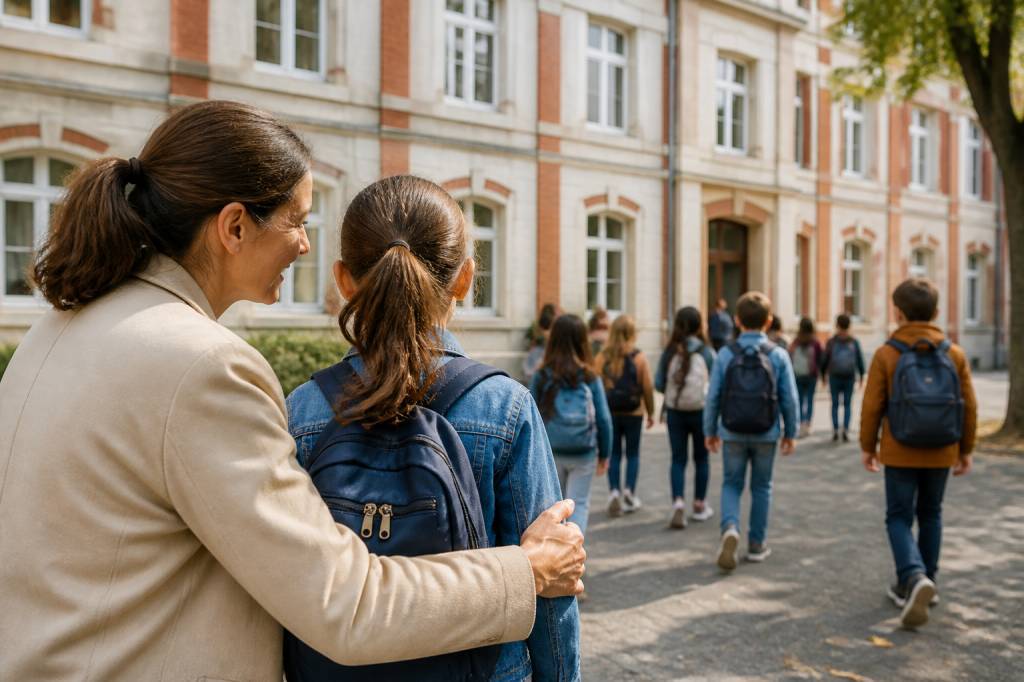
For many parents, sending a child to school in France can feel both exciting and unfamiliar. The French education system has a strong reputation for academic rigor, a structured curriculum, and a clear national framework that guides learning from early childhood through secondary school. At the same time, it may look different from what parents are used to in other countries. Understanding how French schools work can help families feel more confident, better prepared, and more involved in their child’s education.
Whether you are moving to France, enrolling your child in a bilingual program, or simply trying to understand the system from abroad, there are several important things to know. French schools place a strong emphasis on discipline, language development, and academic standards, but they also offer many opportunities for children to grow socially and intellectually. Knowing how the system is organized, what is expected from students, and how parents can support learning will make the transition much smoother.
The structure of French education
The French school system is divided into several stages, each with its own purpose and age range. Children usually begin with école maternelle, which is comparable to preschool or kindergarten. This stage typically starts at age three, although some children may begin earlier depending on local availability. Maternelle is not just childcare; it introduces children to classroom routines, social interaction, language, and early academic concepts in a playful way.
After maternelle, children move to école élémentaire, or primary school, which generally covers ages six to eleven. During these years, students focus on core subjects such as French, mathematics, science, history, geography, and art. The school day is often structured and teacher-led, with a strong focus on literacy and numeracy.
Next comes collège, the lower secondary level, which runs roughly from ages eleven to fifteen. This phase introduces more subject specialization, more homework, and a greater level of academic responsibility. Finally, students attend lycée, the upper secondary level, where they prepare for the baccalauréat, France’s national diploma that plays a major role in access to higher education.
Parents should know that the French system is centrally organized by the Ministry of Education. This means the curriculum is highly standardized across the country. In many cases, a child moving from one region to another will encounter similar programs and expectations. This can be reassuring for families who value consistency.
School calendars and daily routines
The French school year usually begins in early September and ends in early July. It is divided by several holiday periods, including short breaks in autumn, winter, and spring, as well as a long summer vacation. However, school vacation dates can vary depending on the region, as France divides the country into different zones to stagger school holidays and reduce crowding in travel destinations.
The daily schedule in French schools may also surprise parents. In many schools, classes start in the morning and end in the late afternoon, with a long lunch break in the middle of the day. This lunch period is often much longer than in many other countries and can last one to two hours. In some areas, especially at the primary level, children may attend school four days a week instead of five, depending on local arrangements.
Parents should pay attention to school schedules, extracurricular activities, and transport arrangements, especially if both parents work full-time. Many schools have cantine services for lunch and garderie or after-school care for younger children. These services can be very helpful for working families, but they often need to be arranged in advance.
What to expect from academic standards
One of the defining features of French schools is the emphasis on academic precision. Students are expected to write carefully, think logically, and demonstrate mastery of content through tests, essays, and oral presentations. Even in primary school, children are gradually introduced to formal assessments and clear expectations.
French education often places a strong focus on grammar, spelling, and written expression. This is especially true in French language classes, where students are taught to structure their ideas clearly and use correct language. Mathematics is also highly valued, with an emphasis on problem-solving and methodical thinking.
Parents from more flexible or play-based school systems may notice that French schools can feel more traditional. Teachers often lead the classroom in a structured way, and students are expected to listen carefully, take notes, and complete work independently. This does not mean creativity is absent; rather, creativity is often channeled through disciplined learning.
For families looking into an international or bilingual environment, understanding the academic style can be useful when choosing the right school. If you want to explore more about a french school model and see how it is presented internationally, it can help you compare different educational approaches and decide what best fits your child’s needs.
Language expectations for children and parents
French is the main language of instruction in most schools in France. For children who already speak French, this is straightforward. For children who are new to the language, the first months may be challenging, but children often adapt quickly when they are immersed in a French-speaking environment.
Parents do not need to speak perfect French to support their child, but basic communication skills are very helpful. School communication may include emails, notices, parent meetings, and written reports in French. Learning key school vocabulary, names of subjects, and common administrative terms can make everyday interactions much easier.
If your child is not yet fluent in French, ask the school about support services. Some international schools offer bilingual or immersion programs, while public schools may provide help for non-French-speaking students depending on local resources. It is also useful to encourage your child to practice French outside school through books, audio, games, and conversations.
How discipline and behavior are handled
French schools often place a strong value on respect, order, and classroom discipline. Students are expected to follow rules, wait their turn to speak, and show respect to teachers and classmates. This structured environment helps maintain focus and supports learning, especially in larger classrooms.
Parents should be aware that discipline in French schools can be more formal than in some other systems. Teachers may be direct in their communication, and behavioral expectations are often clearly stated. Report cards and evaluations may include comments not only on academic performance but also on conduct, effort, and class participation.
This approach can be beneficial for children who thrive with clear boundaries and routines. At the same time, children who are used to more open-ended classroom styles may need time to adjust. Parents can help by reinforcing school expectations at home and encouraging respect for teachers and rules.
Communication between school and home
Parent-teacher communication in France is generally more formal and less frequent than in some other countries, but it is still an important part of school life. Parents are usually invited to scheduled meetings rather than informal drop-in conversations. These meetings may focus on academic progress, behavior, or future plans.
Schools often use written reports, notebooks, or digital platforms to communicate with families. Younger children may bring home a communication notebook where teachers and parents can exchange messages. It is important to check these materials regularly, as they may contain notices about trips, schedule changes, or required documents.
If you have concerns about your child’s learning or adaptation, it is best to contact the teacher politely and directly. French educators generally appreciate clear and respectful communication. Preparing your questions in advance, and if necessary having a translator or bilingual support, can make these conversations more effective.
School meals and lunchtime culture
One of the most distinctive features of French schools is the lunch experience. School meals are taken seriously and are often prepared according to nutritional guidelines. In many public schools, children eat at the school cafeteria, where meals may include a starter, main dish, dairy product, and dessert, depending on the menu.
Parents may notice that French meals are more structured than packed lunches common elsewhere. There is often an emphasis on balanced eating, portion control, and trying a variety of foods. In some schools, menus are planned in advance and shared with families so parents can see what their children will eat.
For younger children, lunchtime is also a social and educational moment. They learn table manners, patience, and group behavior. Families who provide packed lunches or have special dietary needs should speak with the school in advance to understand available options and requirements.
Homework, tests, and student workload
Homework in French schools can vary depending on age and teacher expectations. In primary school, homework may include reading, spelling, memorization, and basic exercises. As children progress into secondary school, the workload usually increases, with more written assignments, reading tasks, and exam preparation.
French students are often evaluated regularly through quizzes, essays, oral presentations, and formal tests. The system values not only the final answer but also the method used to reach it. Children are encouraged to explain their reasoning and show their work, particularly in mathematics and science.
Parents can support their child by helping establish a quiet homework routine, monitoring deadlines, and encouraging organization. It is also important not to take over the work. French teachers expect students to develop independence, so parents should guide without doing the tasks for them.
Extracurricular activities and school life
Although academics are central, school life in France also includes sports, arts, music, clubs, and occasional cultural activities. Some schools organize trips, performances, or special projects to broaden students’ experiences. These activities may be more limited in the public system than in some private or international schools, but they still play an important role in enrichment.
Parents should ask about available activities early, especially if their child has interests in sports, languages, or creative arts. Many families supplement the school experience with community programs, municipal sports clubs, or private lessons. This can be a great way for children to make friends and practice French outside the classroom.
School trips and outings are also common. These experiences often support the curriculum and help students learn through direct observation. Parents may need to sign permission forms or contribute to small fees, so it is helpful to stay organized and respond promptly to school requests.
Public, private, and international options
Families in France can choose among public schools, private schools, and international schools. Public schools are funded by the state, follow the national curriculum, and are open to all children based on residence. Private schools may follow the national curriculum as well, but some have religious or pedagogical orientations. International schools often provide bilingual or foreign-language programs and may follow different educational systems.
The right choice depends on your child’s language level, personality, family budget, and long-term plans. Public schools are a good option for immersion in French life and language. Private schools may offer smaller classes or different educational philosophies. International schools can be especially appealing for expatriate families who expect to move again or want continuity with another national curriculum.
Parents should visit schools if possible, ask about class size, language support, and extracurricular opportunities, and speak with other families. It is also wise to consider commute times and administrative requirements, as school logistics can affect daily family life.
Supporting your child through the transition
Starting school in a new system can be emotionally challenging for children, especially if they are moving countries or learning in a second language. Parents play a key role in helping children adapt. Talking positively about school, preparing children for routines, and creating a predictable home environment can reduce anxiety.
It is also important to listen to your child’s concerns. Some children may feel overwhelmed by a new language, new rules, or a more formal classroom style. Encouragement, patience, and regular communication with the school can help children build confidence over time.
If your child is younger, reading books about school, practicing simple French phrases, and visiting the school before the first day may be helpful. Older children may benefit from learning about the grading system, school expectations, and how to ask for help when needed. The more familiar the system feels, the easier it becomes to settle in.
Final practical tips for parents
Before your child starts in a French school, make sure you have all necessary documents ready. These may include identification papers, vaccination records, previous school reports, proof of address, and any translation documents if required. Each school may have slightly different administrative procedures, so it is best to ask early.
Keep a calendar of school holidays, special events, and administrative deadlines. Learn the names of key staff members, understand how the school communicates with families, and know who to contact for academic or practical concerns. Staying organized will save time and reduce stress throughout the year.
Finally, remember that adjustment takes time. The French school system may seem demanding at first, but many families appreciate its structure, seriousness, and strong educational foundation. With preparation and open communication, parents can help their children not only adapt but also thrive in a French school environment.