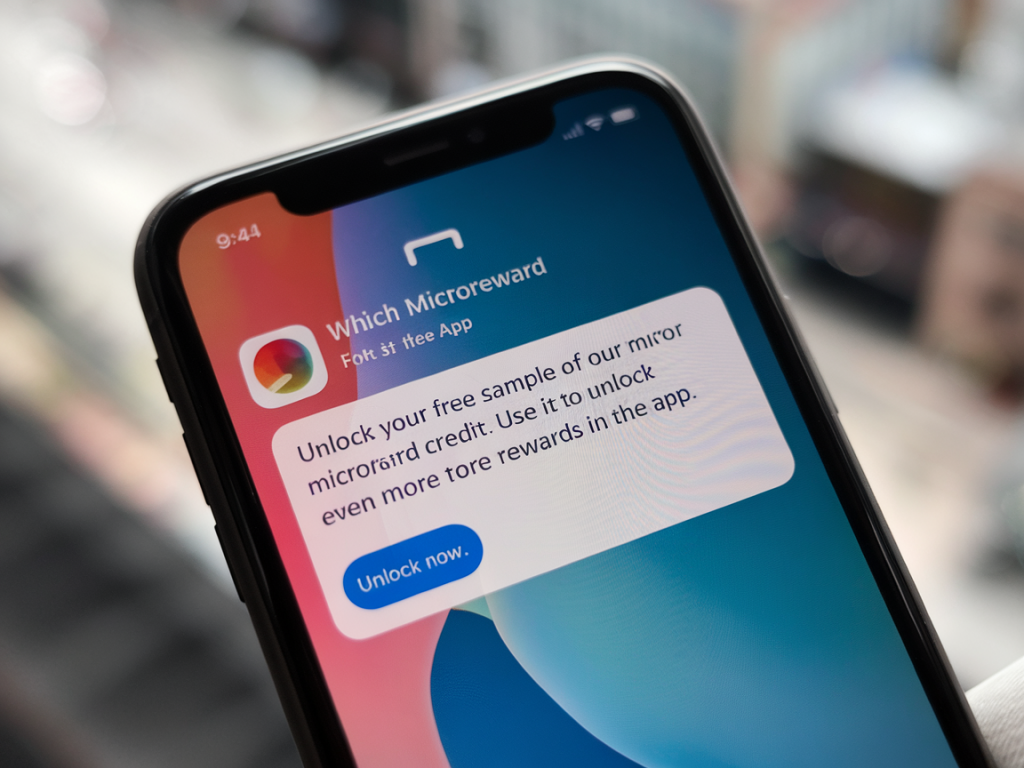
I ran a small experiment last year to answer a simple question: which microreward trigger moves the needle most on month-two retention — a timely push notification, a surprise credit, or a free sample sent with the first order? The answer wasn’t a neat winner across every business I work with, but the patterns were consistent enough to draw practical recommendations for SMEs. Below I share the design, results and how you can run a similar test for your brand.
Why month-two retention matters (and why microrewards)
Month-two retention is a powerful early indicator of long-term loyalty. Customers who come back in month two are far likelier to reach a profitable lifetime value and to become repeat buyers or advocates. For subscription-like or consumable products, the second-month touchpoint can be the make-or-break moment: either the experience becomes habitual, or the customer churns.
Microrewards — small, low-cost incentives delivered at a critical moment — are designed to nudge that second purchase without undermining margin. They’re cheaper and faster to deploy than broad discounts and can be tuned for long-term effects if aligned with product fit and customer motivation. In my work at Zynrewards Co I test three common microreward types:
How I set up the experiment
To keep the test actionable for SMEs, I ran it with a cohort-based A/B/C design across three clients in retail and DTC FMCG. Key design choices:
I kept messages and offers consistent in tone and estimated value. The push notification was a personalised reminder with low-friction CTA (“We saved your favourites — ready to reorder?”). The surprise credit was small (typically 10–15% off a low-frequency reorder or a flat £3–£5). The free sample was a complementary add-on selected to showcase a higher-margin product.
What I observed (real-world results)
Across the three clients the patterns were similar though magnitudes varied by category and price point. Here’s a simple summary table of the average effects versus control:
| Trigger | Month-2 retention lift (vs control) | Second-order AOV change | Estimated incremental cost per retained customer |
|---|---|---|---|
| Push notification | +6–9% | +2–4% | Very low (operational cost only) |
| Surprise credit | +10–16% | Neutral or slight increase | Moderate (£3–£5 credit) |
| Free sample | +8–12% | +5–12% (cross-sell uplift) | Moderate to high (product + fulfilment) |
Key takeaways from those numbers:
Why the differences appear (behavioural mechanisms)
Each trigger works through a different behavioural lever:
How to choose for your SME
Use this decision framework to pick (or sequence) a microreward:
Practical setup and measurement tips
When you run this test, pay attention to:
Examples from clients
One DTC skincare brand saw surprise credits increase month-two retention by 14% among customers who purchased a starter bundle. They used the credit to encourage replenishment and required a small minimum spend — this preserved AOV. Another client, a speciality food retailer, used free samples and saw a strong cross-sell effect: 35% of customers who received a sample purchased that SKU within 60 days, pushing their second-order AOV up 12%.
On the other hand, a low-margin accessories brand got most value from push notifications: they couldn’t afford credits or costly samples, but well-timed, personalised pushes improved month-two retention enough to justify adding a short automated flow for new buyers.
If you want, I can help you design a simple A/B/C test and a reporting template so you can measure month-two lift without overcomplicating your stack. Or, if you already have a hypothesis for one of these triggers, tell me your category and average order value and I’ll give tailored benchmarks and a recommended offer size.

