When I run a loyalty audit for a small or medium-sized brand, one of the most common questions I hear is: “Which microreward will actually nudge a new customer into a second purchase?” The usual suspects are a free sample, a next-order discount, or loyalty points. Each has proponents and anecdotal wins, but choosing the best one for your brand should be less about gut instinct and more about clear objectives, economics and customer psychology.
What I mean by "microreward"
In my work I define a microreward as a low-cost, immediate incentive designed to influence short-term behaviour — usually the customer’s first repeat purchase after trial. It’s not a lifetime-changing bonus; it’s a small, well-timed nudge. The three types I focus on here are:
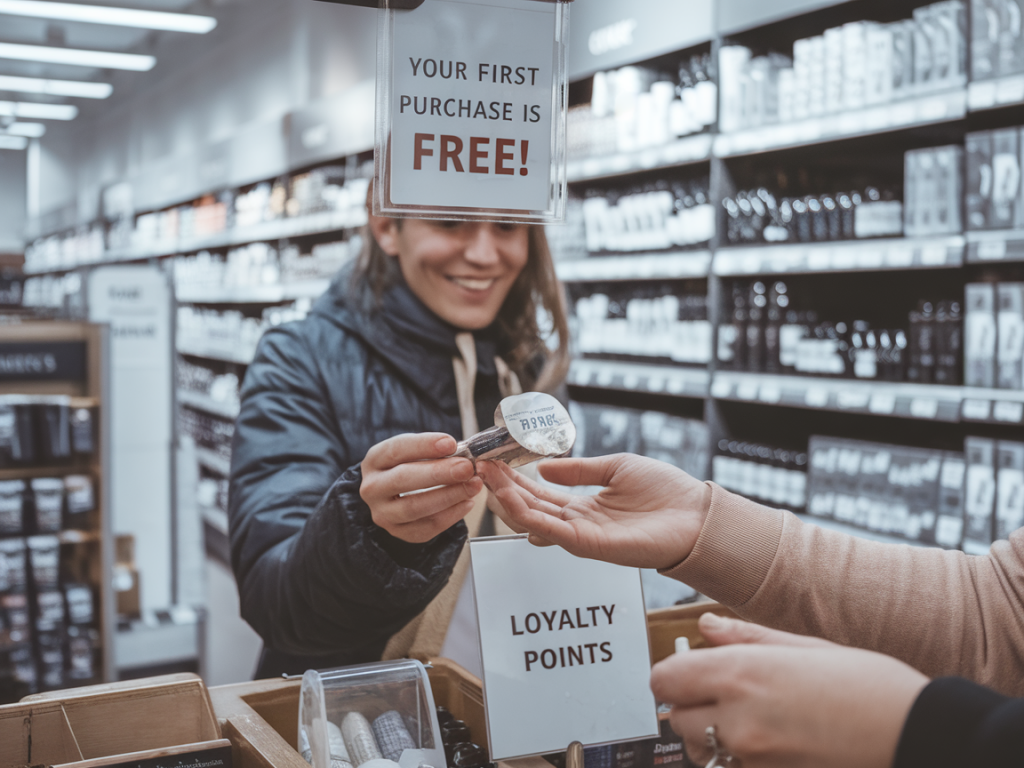
Free sample — an extra product or trial-size sent with the first order or redeemable on the second purchase.Next-order discount — a percentage or fixed-value coupon for the customer’s next purchase (often time-limited).Loyalty points — small points credited after the first purchase that can be redeemed later, sometimes with a threshold before redemption.What matters when choosing
Before debating which tactic converts best, you need to be explicit about the metric you care about. In practice I balance three KPIs:
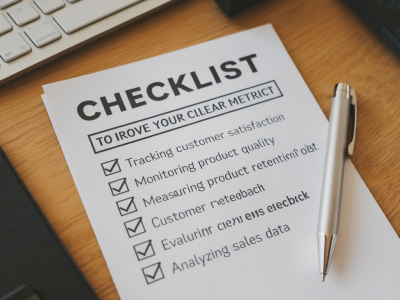
First-repeat conversion rate — percent of customers who make a second purchase within a time window (e.g., 30–90 days).Incremental margin — profit after the cost of the reward and attributable marketing costs.Longer-term retention — repeat purchase frequency and customer lifetime value (LTV) beyond that second order.The ideal microreward raises the first-repeat rate without bleeding margin and, if possible, starts a habit that increases LTV. But not every brand needs the same trade-offs: a low-margin FMCG (fast-moving consumer goods) brand will have different constraints than a premium direct-to-consumer skincare label.
How each microreward works in practice
I’ll run through the behavioral mechanics and commercial pros & cons I’ve seen in client work.
Free sample
Behavioral mechanism: reduces risk and encourages product trial. It’s strongest when the barrier to repeat purchase is product uncertainty (e.g., fragrance, skincare, gourmet food).
Pros:
Powerful for converting hesitant customers who need product experience to commit.Can showcase a higher-margin or new SKU and catalyse upsell.Feels generous and brand-building when presented as a thoughtful gift.Cons:
Logistics and fulfilment costs can be non-trivial — packaging, extra SKUs and picking complexity.Less effective if your second purchase decision is driven by price rather than product confidence.Next-order discount
Behavioral mechanism: creates a time-limited financial incentive to act quickly.
Pros:
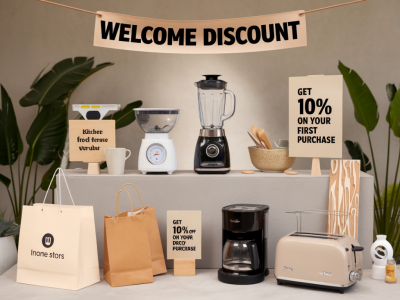
Simple to implement with cart discounts or codes; easy to measure uplift.Works well for price-sensitive segments and categories with repeat cadence (food, consumables).Can be A/B tested with different discount levels and expiry windows.Cons:
Can train customers to only buy with discounts, eroding margin if overused.May attract deal-seekers who show low long-term retention.Loyalty points
Behavioral mechanism: builds a sense of accumulating value and future reward — effective when paired with a clear, attainable redemption threshold.
Pros:
Scalable and flexible: you can tune earn rates and redemption paths without changing product prices.Great for building habits and emotional engagement when points have perceived value and status.Lower immediate cost than discounts if redemption thresholds are set properly.Cons:
Points that are too abstract or take too long to redeem have low motivating power for a near-term repeat.Requires clear communication and a simple UX; confusing schemes don’t convert.What the evidence and my tests say
Across multiple SME clients I’ve tested these three approaches in A/B or multi-arm experiments. Results vary by industry, but a few consistent patterns emerge:
When purchase risk is mainly product-related (taste, scent, fit), free samples outperform discounts and points on first-repeat conversion by a meaningful margin (often +10–25% relative uplift).When cadence and price sensitivity dominate (e.g., groceries, supplements), next-order discounts deliver quicker and cheaper wins, especially with expiry windows of 14–30 days.Points work best when tied to a low barrier, immediate redemption option (e.g., "50 points = £5 off your next order") and when the brand can communicate accumulation progress. Points that require a high threshold or vague future benefit show little lift on first-repeat.Example: I worked with a mid-sized natural foods brand. Their baseline 60-day repeat rate was 18%. We tested:
| Free sample (small jar in next order) | 60-day repeat 28% |
| 10% next-order discount (30-day expiry) | 60-day repeat 25% |
| 100 points equivalent to £3 (redeemable immediately) | 60-day repeat 22% |
The free sample won on conversion and average order value (AOV) uplift because customers sampled premium items later added full-price SKUs. But margin impact varied: the discount campaign had clearer margin erosion per conversion than the sample, because the sample helped sell higher-margin items.
How to choose the right microreward for your brand
Here’s the decision logic I use with teams:
Identify the primary barrier to repeat purchase: quality uncertainty (use samples), price sensitivity (use discounts), or engagement/habit-building (use points).Model unit economics: calculate acceptable cost-per-acquisition (CPA) for a second purchase given expected incremental margin and projected LTV uplift.Design a simple redemption flow. The best reward is useless if customers don’t understand how to claim it.Test iteratively: start with short expiry windows and small sample sizes. Run at least 4 weeks or until you have 200+ observations per arm for a reliable signal.Practical implementation tips
For samples: pick SKUs that showcase signature benefits and are easy to ship. Track which sample-to-full-SKU pathways drive the best LTV.For discounts: use time-limited codes linked to the customer’s account to prevent coupon abuse and measure true uplift.For points: offer a small, immediately redeemable option plus a larger aspirational reward to keep customers engaged beyond the second purchase.Segment your offers: use behavioural triggers. For example, give samples to first-time buyers who ordered a single item, offer discounts to customers in regions with longer purchasing cycles, and give points to those who already show intent to re-engage (email opens, app users).In short: there’s no universally “best” microreward. The answer depends on what’s stopping your customers from returning, your margins, and how you want the relationship to evolve. In my experience, well-targeted free samples often win where product experience matters, discounts win for price-driven repeat behaviour, and points win for building a longer-term habit — but the smartest approach is to test, measure and combine tactics across segments.