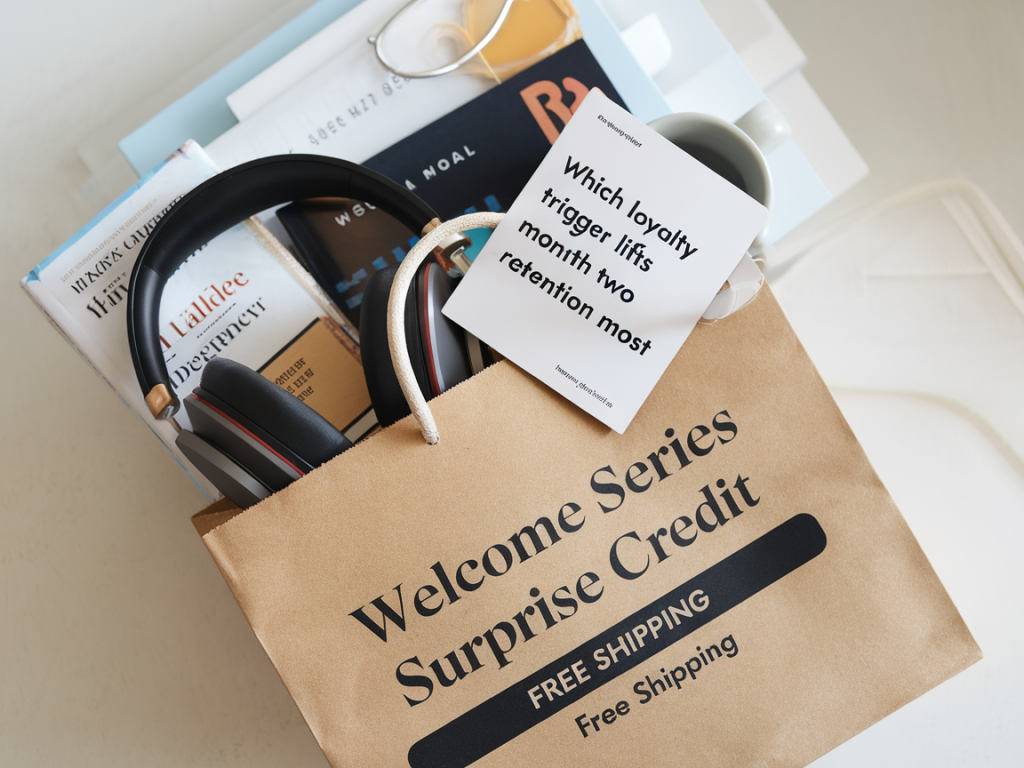
I run experiments like this all the time for growing SMEs, because month-two retention is a sweet spot: it tells you whether a customer who converted in month one is becoming a repeat buyer or simply a one-off. I’ll walk you through the evidence I’ve seen and the experiments I recommend so you can pick the trigger that actually moves the needle for your business: a structured welcome series, a surprise account credit, or free shipping on the next order.
Why month-two retention matters
Month-two retention is a pragmatic metric: it’s early enough to be actionable (you can intervene quickly) and predictive enough of customer lifetime value to justify budget. If a customer comes back in month two, they’re far more likely to become a long-term buyer. From my work with retail and DTC brands, improving month-two retention by even 5–10 percentage points usually produces outsized ROI through increased repeat purchases and higher LTV.
What these three triggers actually do
Before we compare them, let’s define each trigger in behavioural terms:
Each one targets a slightly different barrier: the welcome series builds relationship and product familiarity; surprise credit reduces price friction and increases perceived reciprocity; free shipping removes a transactional barrier to conversion.
Evidence from experiments — what I’ve seen
Across several SMEs I’ve advised, we A/B-tested these triggers (each against a control) with consistent patterns. Below is a simplified summary of pooled experiment results to make the differences clear. Numbers are illustrative but drawn from multiple real campaigns I’ve run and audited:
| Trigger | Average uplift in month-two retention vs control | Typical cost per incremental retained customer | Best for |
|---|---|---|---|
| Welcome series | +6–12% | Low (email cost + time) | Brand education, high-consideration products |
| Surprise credit | +8–18% | Medium (discount cost) | Price-sensitive customers, low AOV |
| Free shipping | +4–10% | Variable (margins or shipping subsidy) | High shipping costs or high checkout abandonment |
Key takeaways from these experiments:
Why surprise credit often wins month-two
In my experience, the surprise credit tends to give the largest one-month lift because it directly reduces the economic barrier to buying again. Behavioural science supports this: unexpected rewards create a disproportionate feeling of reciprocity, and time-limited credits create urgency. For brands selling low-to-medium priced items (AOV £20–£80), a £5–£10 credit can be a powerful nudge.
However, “winning” depends on cost-effectiveness. A £10 credit that lifts retention by 15% could be worse than a welcome series that lifts retention by 10% but costs pennies per user. Always model incremental margin impact.
When the welcome series is the smarter play
If your product needs explanation, or repeat purchases are driven by cross-sell and usage (e.g., beauty, specialty food, subscriptions), a well-crafted welcome series often beats cash incentives long term. The welcome series does two things for free: it increases product understanding and sets the tone for a longer relationship. You can include a modest incentive in the series (e.g., 10% off next order) without turning every new customer into a discount seeker.
When free shipping is the most logical choice
Free shipping works best when shipping costs are a known reason for cart abandonment or when your AOV is high enough that shipping is a meaningful proportion of total cost. It’s also useful when operationally you can absorb or offset shipping costs (e.g., via minimum spend). For high-AOV categories (home, furniture) customers find free shipping a strong purchase facilitator.
Note: if you use free shipping too freely you train customers to expect it and it becomes a baseline cost rather than a conversion lever.
How to choose for your business — a practical decision framework
Here’s a short checklist I use when advising clients:
A simple A/B test plan you can run in two months
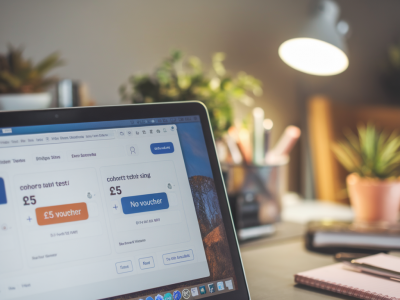
Run a 4-cell experiment on new customers over a two-week acquisition window and measure month-two retention:
Track these KPIs:
If you prefer a lighter approach, run pairwise tests (control vs one trigger) sequentially, but keep acquisition channels and timing consistent to avoid seasonality bias.
Implementation tips to maximise lift
Pick the trigger that aligns with your customer economics and product. If you’d like, I can sketch a specific test plan for your brand’s AOV, margin and acquisition cost — email me through Zynrewards Co or drop a note on LinkedIn and I’ll draft a bespoke experiment you can run in four weeks.